
From a Startup to Becoming a Streetwear Icon: the Evolution of We Are Righteous
A founding narrative is something every streetwear label has, yet few labels are able to convert it into a identity built to last. We Are Righteous has devoted its first years doing precisely that — building a name that shoppers now search for directly rather than stumbling across by accident. People typing “righteous clothing” or “we are righteous review” into a search engine are, typically, after one of two things: proof that the brand delivers on quality, or a feel of where it fits among the crowded field of indie streetwear brands. This piece walks through that journey, the calls that gave it form, and what the brand shapes up as heading into 2026.
Given that the streetwear space is such a fast-moving category, grasping this evolution matters. Names in the space rise on a solitary breakout hoodie and fade out within eighteen months’ time. Over the course of years, some labels toil away, fine-tuning fit and fabric, long before anyone outside a small circle notices. We Are Righteous falls into the second camp, and that patience is part of why the brand now is mentioned alongside more well-known names when people weigh a righteous clothing brand to its peers.
The Early Days: A Startup With a Clear Vision
Like most independent labels, We Are Righteous began with a modest catalog and a specific aesthetic as opposed to a broad product range. As the brand explored what appealed to buyers, the early collections relied on bold, message-led designs and a narrow color palette, holding production controlled. For a new apparel company, tightening the range, adapting quickly, and steering clear of overcommitting to inventory before demand is confirmed is a practical and typical approach.
In those first seasons, the label’s identity was built around the word “righteous” itself — a purposeful move that lent the brand a character set apart from conventional streetwear name choices. Instead of leaning on abstract initials or borrowed slang, the founders crafted a set of words centered on https://righteous-clothing.org/ conviction, confidence, and staying apart from passing trends. The brand’s messaging remained consistent drop after drop, which allowed early customers to recognize it before logo placement was ever standardized.
Startups in apparel typically fail for one of three reasons: inconsistent quality, poor cash flow from overproduction, or a lack of clear identity. We Are Righteous avoided the third problem early by committing to a voice and sticking with it season after season. That consistency gave the brand room to fix production issues without confusing its audience about what it stood for.
How the Product Line Came Together: The Juncture At Which the Hoodie Rose To Become the Centerpiece
In the case of We Are Righteous, the hoodie turned out to be the flagship item that every streetwear brand sooner or later requires. The brand’s hoodie is at this point one of the most in-demand, repeatedly-replenished items in the catalog, and for good reason: hooded pieces display prints nicely, work across seasons, and give a brand a canvas sizable enough for a strong graphic statement without relying on add-ons.
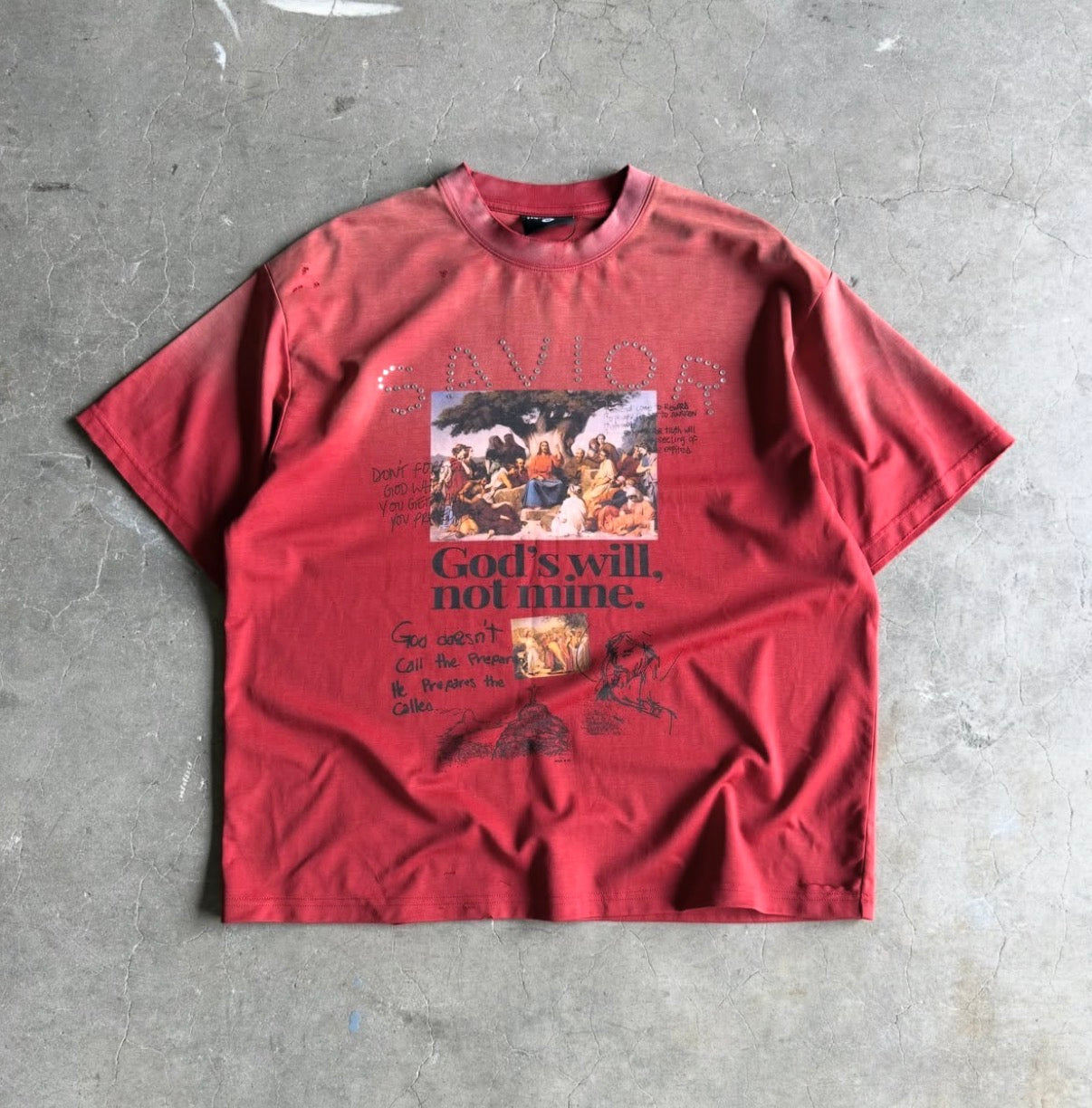
The brand’s clothing approach grew steadily out from that anchor piece. Tees came first as a more affordable gateway for new customers, followed by thicker fleece garments, then outerwear as the catalog developed. This is a fairly standard growth pattern for streetwear labels, but the pacing matters — expanding too quickly into categories like footwear or accessories before the main clothing line has earned trust can dilute a young brand’s character. We Are Righteous apparel has stayed close to its roots: hooded pullovers, tees, and fleece pieces stay at the core of the line even as new colorways and cuts are released every season.
Fit consistency is another area where the label has had to mature. New streetwear ventures commonly run into trouble with fit that shifts between drops because they rely on several manufacturers or adjusting patterns frequently. Part of the brand’s evolution into a “staple” label, rather than a passing trend, has been narrowing that inconsistency so returning customers know roughly what to expect from each new release.
What the Reviews Truly Tell Us
Search volume tied to “righteous review” and “we are righteous review” has grown alongside the brand’s profile, which is common once a brand transitions from niche status to wider recognition. Feedback on independent streetwear labels tend to cluster around three themes: material weight, longevity of the print, and sizing accuracy. Customers digging into We Are Righteous want to know whether the pieces earn their asking price compared to both budget fast-fashion staples and upscale streetwear brands.
The pattern across customer feedback for brands in this space is fairly predictable — heavier fleece weights get praised, thin or overly stretchy cotton gets criticized, and print quality gets evaluated on whether it holds up, or cracks and fades, after multiple washes. Brands that endure their initial years and establish a loyal base of repeat buyers are typically the ones that address these specific pain points quickly rather than ignoring them. This kind of attentiveness is what separates a label worth reviewing from one that disappears after a single hype cycle.
It’s also worth noting that review sentiment evolves as a brand develops. At first, feedback are weighted toward novelty and design — is the graphic on point, does the release come across as exciting. In later reviews, the focus turns to durability and consistency — does the hoodie still look good after a year of wear, does the fit match what was advertised the first time around. The presence of both types of review is itself a signal that We Are Righteous has moved past the “new brand” phase and into a more established one.
How the Line Holds Its Own Among Other Street-Style Brands
Positioning matters in streetwear, where dozens of brands compete for the same customer attention with similar silhouettes. The table below breaks down general category positioning — not exact pricing, since that varies by drop and retailer, but the structural differences that typically separate an independent label like We Are Righteous from mass-market and ultra-premium alternatives.
| Classification | Mass-Market Fashion Essentials | We Are Righteous | High-End Streetwear Labels |
|---|---|---|---|
| Production model | Mass, constantly restocked supply | Limited, drop-based | Restricted, frequently built on partnerships |
| Identity emphasis | Minimal, trend-following | Purpose-led, unwavering brand voice | Led by creative vision, conceptual art angle |
| Signature piece category | Essential tee styles | Hoodies and fleece | Rotates seasonally |
| Fan interaction level | Barely present | Expanding, centered on direct customer relationships | Elevated, yet kept behind an exclusivity barrier |
| How reachable it is | Very accessible | Middling | Limited |
Buyers doing research before they buy depend on this kind of positioning insight, which is specifically why this market stance carries weight. A brand that sits in the middle ground — more thoughtful than throwaway fashion, more accessible than upscale designer streetwear — must build credibility through consistency instead of exclusivity alone. We Are Righteous has built that territory for itself, and defending it long-term is harder because it demands both product quality and message discipline in tandem.
2026 Approaches: Where the Label Presently Stands
Heading into 2026, the streetwear space has become more crowded than it was five years before, with social media platforms lowering the barrier more than ever for a fresh label to launch and tougher than it’s ever been for a label to rise above the noise past its debut year. Brands that have lasted this long, including We Are Righteous, are now competing less on being new and more on earned trust — repeat customers who are familiar with the fit, are familiar with how the fabric feels, and are familiar with the brand’s message well enough to make a purchase without being sold on it repeatedly.
From here on, what “growth” looks like for the brand is being reshaped by this change. Instead of following every fleeting fashion wave, the more grounded path is refining what already works: solidifying the hoodie line, refining size consistency, and expanding apparel that pairs naturally with existing pieces rather than rolling out standalone one-off items. Companies that stretch themselves too thin at this point often lose the cohesion that built their fanbase to begin with.
Compared to the brand’s earliest seasons, the communal side of things now matters more. Streetwear customers in 2026 expect more direct interaction — insider perspective on drops, honest communication about restocks, and a sense that the brand’s message isn’t just marketing copy but something the company truly practices. The genuine gauge of lasting relevance, for a label grounded in the notion that “righteous” means more than a name, is whether message and practice align.
Over several years, what began as a small, message-driven startup has earned enough recognition to be regarded as a true streetwear staple, not just a passing name. The hoodie remains the cornerstone, the identity remains unwavering, and the reviews — both early hype-driven ones or later longevity-focused ones — convey a unified story of a brand that has grown intentionally rather than haphazardly. A single viral drop is easier to achieve than that, and it’s the reason We Are Righteous is still mentioned in conversations about which independent labels are truly built to last.
