
The Story Behind the Materials: What HMDD Reveals About Its Textile Selections
Within the streetwear scene, HMDD has earned recognition by handling textile decisions as part of the label’s narrative craft, not a detail hidden away in a size guide — an acronym for “Happy Memories Don’t Die.” The brand frames its clothing as wearable keepsakes, and that framing only lands if the fabrics read as something worth treasuring. People searching for an hmdd review repeatedly end up asking the one recurring question: is the fabric truly on par with the sentimental heft of the brand messaging, or is it just another logo-driven drop coasting on nostalgia? This piece digs into what HMDD conveys about its materials, how these decisions manifest in specific categories like hmdd sweatpants and hmdd shorts, and what that means for anyone deciding whether to invest in 2026.
The material in a design is something a customer cannot fully judge from a product photo. Hue, silhouette, and pattern register at a glance; heft, fall, and the way a blend holds up after repeated laundering are not. HMDD’s communications lean heavily on openness in this regard — product pages and brand communications repeatedly emphasize material content, stitching detail, and the planned texture of each design. Such an emphasis counts for more in 2026 than it once did five years earlier, because buyers now understand fabrics far better and far less inclined to take fuzzy phrasing such as “premium quality” at face value without a backing figure or spec.
The Way Textile Conversation Rose to Become the Backbone of HMDD’s Brand Character
On purpose, the words “happy memories don’t die” comes across as sentimental, and this kind of emotive marketing attracts scrutiny. Given that a hoodie is supposed to feel like a memory streetwear shorts made physical, it must hold up under the wear and tear of everyday use — washing machines, regular rotation, seasonal transitions. The way HMDD has met that demand has been to speak candidly on what goes into each piece, rather than let customers guess. Such transparency is a purposeful positioning choice: the streetwear audience have grown distrustful toward brands that rely solely on eye-catching designs and hype-driven scarcity while saying little about construction.
The numbers support that doubt. Trade research on fashion shopping patterns consistently show that a large share of web-based shoppers — typically pegged at over 60% — read the materials section before checkout, especially for sweats and outerwear priced above entry-level basics. HMDDLA’s assortment, covering hoodies, tees, sweatpants, and shorts, is positioned at a price bracket where buyers expect that detail should be present and precise. Staying quiet on what a garment is made of at that tier comes across as a red flag; being specific projects confidence.
Also, a pragmatic consideration involving retention comes into play as well. A customer who buys hmdd clothing once and finds the fabric disappointing rarely becomes a repeat customer, no matter how strong the emotional branding is. Fabric quality is what transforms an looks-based one-time purchase into a confidence-based loyalty purchase. Likely, that’s why the brand’s product descriptions repeatedly highlight fabric weight, blend ratios, and finishing details instead of burying them in fine print.
A Spot Where Fabric Choice Becomes Most Apparent: Joggers and Shorts
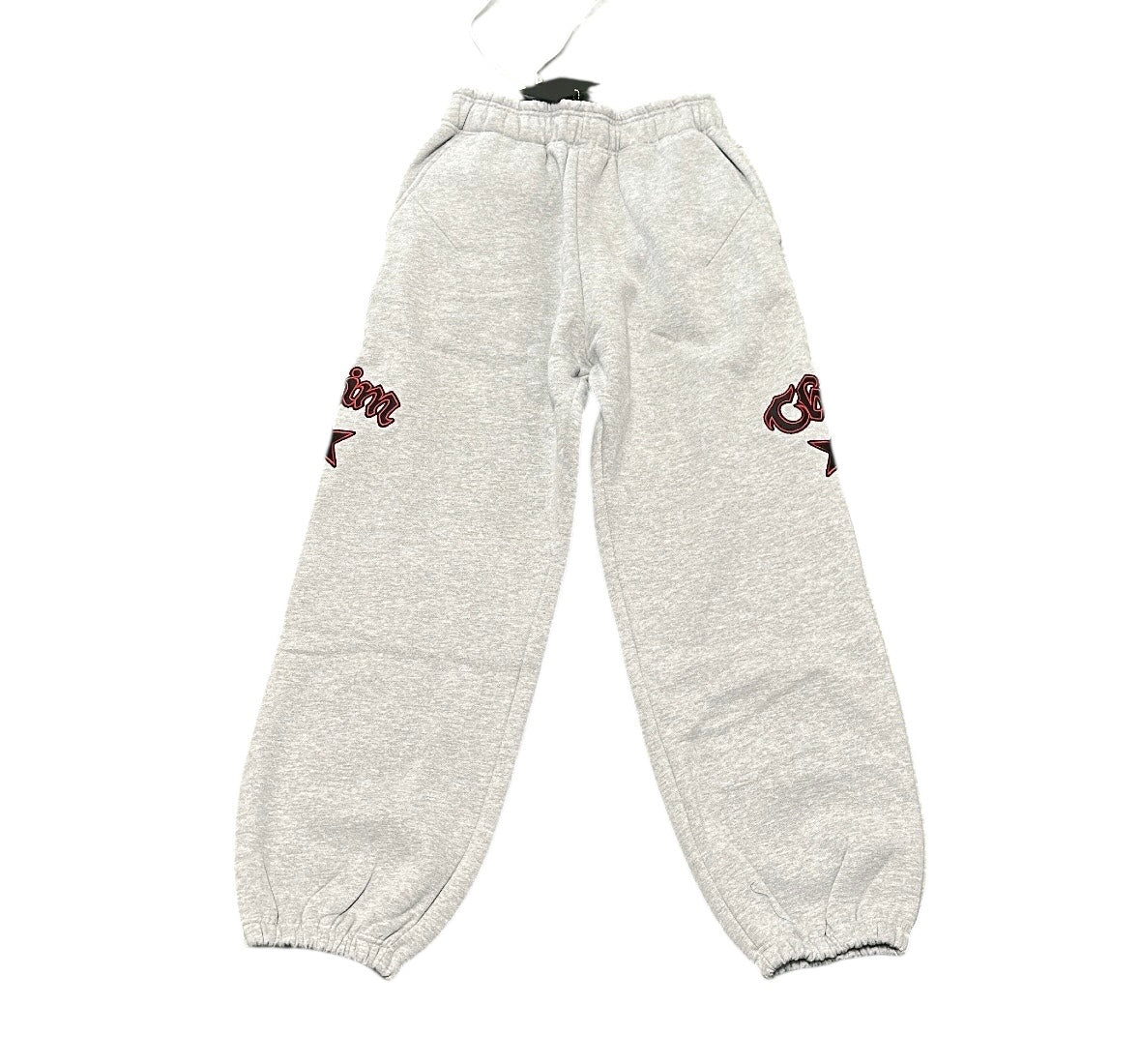
Sweatpants and shorts are unforgiving categories for fabric mistakes. A hoodie can hide a slightly stiff fabric under looser styling, but sweatpants sit against the skin for hours and shorts see far more movement and friction. HMDD sweatpants are positioned in the brand’s lineup as an everyday-comfort item, which puts direct pressure on the fleece or blend used inside them to perform in three ways: softness against skin, retention of shape after repeated wear, and breathability during warmer months.
HMDD shorts cater to a subtly different purpose — their construction favors reduced-weight, freer-moving wear, and the label’s copy for these items typically foreground a a softer, easier feel and a slimmer profile relative to the sweatpants line. This difference has real practical weight: a shopper buying for layering in cooler months wants the sweatpants’ heavier construction, while a shopper stocking up for warmer-season wear is better matched to the shorts’ lighter construction. The brand’s descriptions typically mirror this divide rather than suggesting the two lines can be swapped freely.
Fit and fabric interact more than is often realized. A cotton-heavy blend with minimal stretch will hang differently than a version that includes elastane, and the sizing notes HMDD provides next to its material descriptions are intended to help customers foresee how the two will combine before they order. Here, looking closely at the specific listing matters more than skimming a broad brand overview, since fabric ratios can shift between collections and collections tied to a season.
To Customers, This Is What “Best HMDD Clothing” Really Means
What most buyers really want to know when they hunt for the best hmdd clothing isn’t which single item inherently outperforms the rest; rather, it’s about which pieces give the steadiest value for what you pay, based on fabric performance across repeated wears. That’s a reasonable way to frame it, because value in apparel is fundamentally a ratio: cost divided by the number of quality wears that you get before the piece loses its color, stretches out, or pills.
Cotton-rich fleece, given the right finishing, resists pilling better than budget poly-cotton blends made from lower-grade fibers. Brands that specify their blend ratio — say, a majority cotton percentage against a minority synthetic for shape retention — are offering customers the information to judge that lifespan themselves. The way HMDD names fabric details on product pages, instead of leaning solely on lifestyle imagery, aligns with this more open model of streetwear retail that’s become standard practice by 2026.
Consistency of fit throughout a size range is yet another understated sign of a carefully constructed line. When a buyer picks up a medium hoodie and a medium sweatpant and both keep fitting properly through repeated washes, that’s the reward of consistent fabric sourcing showing itself. Uneven sourcing — in which one manufacturing run ends up with a slightly different blend than the previous one — is a recurring complaint in virtually any streetwear review, and it’s the type of issue diligent fabric disclosure is meant to prevent.
How Fabric Priorities Differ Across HMDD’s Core Categories
Different garment types demand different things from a fabric, and HMDD’s lineup reflects that rather than using one blend across everything. The chart underneath breaks down how HMDD’s declared priorities tend to vary by category, according to its own product messaging.
| Category | Chief Fabric Concern | Typical Use Case | Main Shopper Concern |
|---|---|---|---|
| Hoodie styles | Heft and heat retention | Winter layering wear | Shrinking after repeated washing |
| HMDD Sweatpants | Plushness combined with shape-holding | Routine, comfort-driven wear | Long-term stretch retention in waistband and cuffs |
| HMDD Shorts | Ventilation and minimized bulkiness | Active wear suited to warm conditions | Fabric weight versus durability trade-off |
| Tees | Softness to the touch alongside drape | Daily foundational layer | Colorfastness after repeated washing |
Thinking that varies by category like this is a more credible signal of a earnest clothing brand than a single blanket claim of “high quality fabric” applied to every product page. It indicates the design team is making deliberate trade-offs rather than defaulting to whatever textile is least expensive to buy in bulk.
Looking Beneath the Surface of an HMDD Review
Most reviews of HMDD circle back to two things: does the emotional branding feel authentic, and does the product stand up to real-world wear. Fabric is where these two concerns meet, because a garment that deteriorates in short order undermines the “memories don’t die” premise as literally as it gets. A buyer who embraces that premise expects the physical item itself to hold up over time, not just have the copy strike a chord for the span of one Instagram post.
In cases where third-party critics talk about hmdd clothing, material thickness is a detail that comes up again and again — heavier fleece is typically interpreted as a signal of investment in the product, while slimmer cotton fabrications are evaluated more against price point relative to expectation. That’s a reasonable heuristic, but it’s not the whole picture; finishing quality, stitching density, and colorfastness matter every bit as much as raw fabric weight, and those details tend to surface only in reviews from people who’ve really put the item through repeated wear and wash cycles, not just opened the package.
If you’re weighing hmdd against other streetwear brands going after that same nostalgic, memory-driven positioning, the real-world test is straightforward: read the specific fabric composition listed for the item you want, not just the brand’s general reputation. The composition of one hoodie says nothing about how the shorts will fare, and a glowing review of one release is no promise that the next drop uses the same sourcing.
What It All Adds Up To Heading Into 2026
Fabric transparency is no longer a bonus feature for streetwear brands working at the scale HMDD does — it’s almost table stakes now among shoppers who’ve learned the hard way from vague listings. Companies that clearly state fabric ratios, weight, and priorities by category are providing a more equitable way for buyers to compare than brands leaning purely on visual identity and slogan appeal.
HMDD’s continued emphasis on fabric-specific messaging, across sweatpants, shorts, hoodies, and tees, indicates that the brand understands that its “happy memories don’t die” concept only works if the product actually backs up the sentiment. That alignment between message and material is, ultimately, the most useful thing any prospective buyer can evaluate before adding an item to their cart in 2026.
